Applications
Applications for Custom Glass Capillary and Fiber-Optic Structures
CHI components are used when a system needs controlled microchannels, coherent image transfer, custom light routing, radiation conversion, precision glass finishing, or a geometry that standard optical products cannot provide.
CHI components are used when a system needs controlled microchannels, coherent image transfer, custom light routing, radiation conversion, precision glass finishing, or a geometry that standard optical products cannot provide.
Fiber-Optic and Imaging Applications
Representative fiber-optic and imaging uses include:
- Detector coupling and zero-depth image transfer with fiber optic faceplates
- Coherent image conduits for constrained or inaccessible optical paths
- Illumination guides and shaped outputs for medical and scientific instruments
- Image remapping and round-to-square or field-size conversion
- Voltage, pressure, or vacuum isolation through coherent glass structures
- Custom numerical aperture, geometry, and glass combinations for instrumentation
- Radiation-resistant or special-purpose fiber structures
- Complete optical subassemblies with housings, connectors, coatings, or alignment features
Scintillator and Radiation-Imaging Applications
Radiation-conversion applications include:
- Industrial X-ray inspection
- Radiographic imaging of dense or safety-critical components
- High-energy radiation conversion near a detector
- Fiber-optic scintillator research and detector development
- Hybrid phosphor-and-fiber conversion screens
- Custom bulk scintillating-glass plates
Selected Project References
CHI has had the honor of participating in many fascinating projects over the years, including:
- Imaging optics for the Cassini/Huygens spacecraft program
- Glass capillary components for use in missions on Mars
- Sophisticated illumination systems for endoscope manufacturers
- Scintillating fiber-optic X-ray detectors used to inspect rocket engines
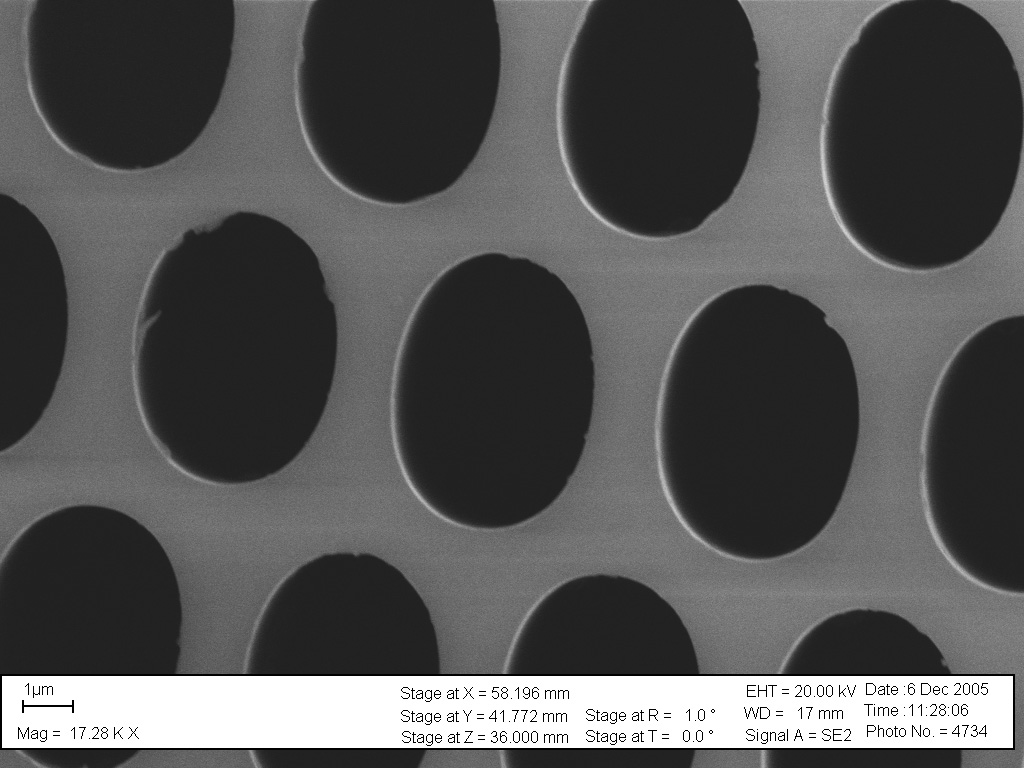
- Capillary structures used as supports for thin polymer membranes
- Hybrid scintillator development and comparative X-ray imaging research
Not Seeing Your Application?
These examples are not the boundaries of the technology. Many CHI projects begin with an unfamiliar system problem. The relevant question is whether glass drawing, fused fibers, controlled channels, scintillating material, or precision finishing can create the needed behavior.
Capillary and Microchannel Applications
| Application | How a Glass Capillary Structure May Contribute |
|---|---|
| X-ray collimation | Long, parallel channels in a lead-glass substrate restrict accepted ray angles and reduce off-axis radiation. |
| Particle filtration and transparent sieves | Defined channel sizes allow passage or capture while the glass structure remains optically inspectable. |
| Laminar flow and calibrated leaks | Large numbers of controlled channels shape flow and create repeatable resistance. |
| Biotechnology and pharmaceutical microchambers | Parallel microvolumes provide repeatable reaction, culture, capture, or observation sites. |
| Gas chromatography | Long small-bore glass channels provide a controlled flow path and internal surface. |
| Angular optical filters | Channel geometry accepts a limited angular range without conventional lens elements. |
| Membrane support structures | Dense microchannels support thin films while preserving open area. |
| Fiber alignment and glass flow cells | Precision channel position and glass compatibility support compact assemblies. |
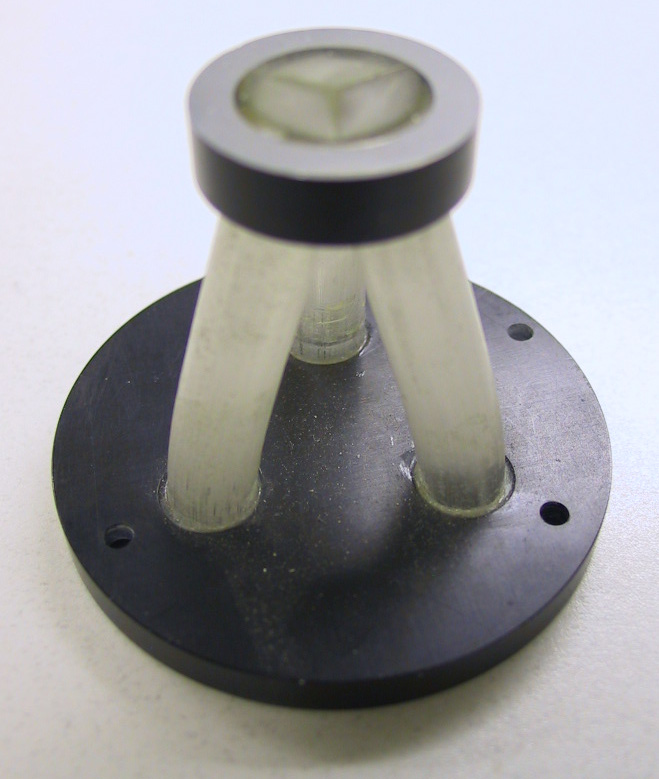
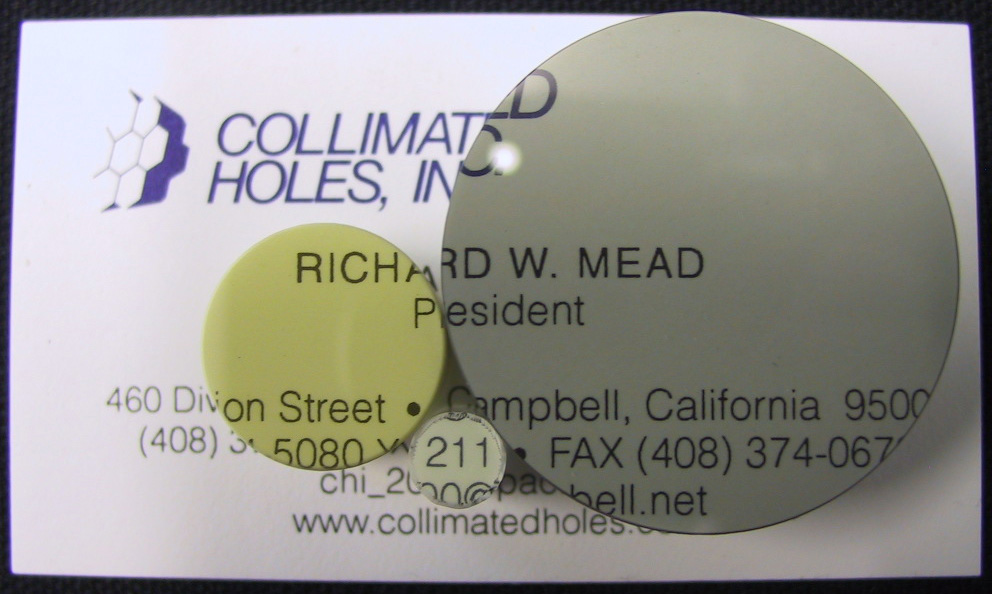
Application imagery
Discuss a related application
If your system needs controlled channels, coherent image transfer, custom light routing, or radiation conversion, send CHI a short description of the problem and the performance constraints that matter most.
Discuss a related application