
Capabilities
Custom Design and Engineering Services
CHI helps customers turn difficult optical, capillary, glass, and radiation-detection requirements into manufacturable components and subassemblies. Engagements can begin with a focused feasibility review or a defined development program and continue through prototypes and production.
CHI helps customers turn difficult optical, capillary, glass, and radiation-detection requirements into manufacturable components and subassemblies. Engagements can begin with a focused feasibility review or a defined development program and continue through prototypes and production.
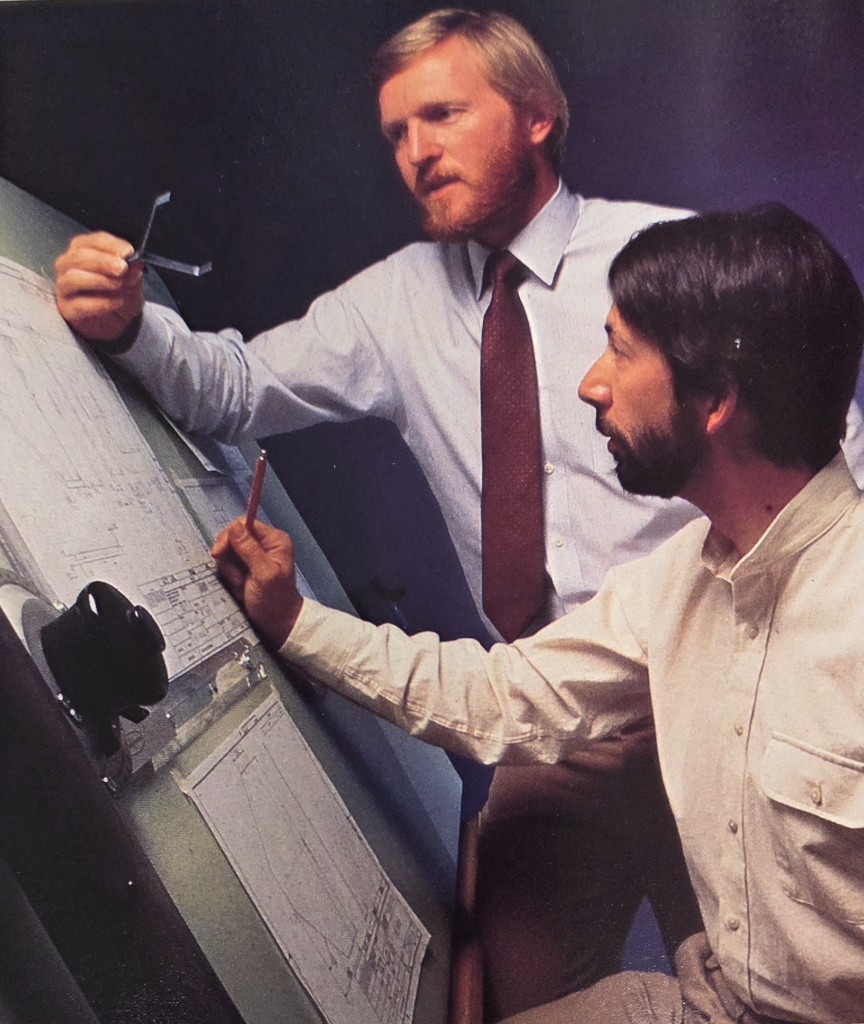
When Engineering Support Is Valuable
Engineering support is especially useful when:
- The system requirement is known, but the component specification is not.
- A standard optical or capillary product fails one or more critical conditions.
- The design requires a custom glass combination, geometry, numerical aperture, microchannel structure, or scintillating material.
- The customer needs a component and its housing, connector, coating, or detector interface developed together.
- A laboratory concept must be redesigned for repeatable production.
- The project needs a documented feasibility phase before committing to tooling or a full prototype.
A Structured Development Process
CHI typically structures development in clear stages.
- Application review. CHI and the customer define the function, interfaces, operating conditions, critical performance, quantities, and commercial constraints.
- Technical assessment. The team identifies feasible glass systems, geometries, process routes, test methods, and the most important technical risks.
- Proposal. CHI documents the scope, deliverables, assumptions, nonrecurring engineering, customer inputs, schedule, and acceptance criteria.
- Design and prototype. The selected concept is translated into preforms, process instructions, components, or subassemblies for evaluation.
- Test and refine. Results are compared with the agreed criteria, and the design or process is adjusted where the evidence supports it.
- Production transition. The approved configuration is documented for repeat manufacturing, inspection, and ongoing supply.
Component, Subassembly, or System-Level Scope
CHI’s core expertise is in glass fiber-optic, capillary, scintillator, and precision-finished components. When the performance depends on adjacent mechanical or optical elements, CHI can also evaluate housings, connectors, coatings, alignment features, bonding, and integrated subassemblies. The appropriate boundary is defined in the project proposal.
Commercial Structure
Custom engineering may be proposed on a time-and-materials basis or as a fixed scope, depending on how clearly the problem and deliverables can be defined. The proposal should state the nonrecurring engineering, development quantities, schedule, assumptions, exclusions, customer responsibilities, and what constitutes completion or acceptance.
What Helps CHI Evaluate a New Project
Useful starting materials include:
- A concise description of the system and the problem to be solved
- Existing drawings, samples, models, photographs, or test data
- Performance priorities and acceptable tradeoffs
- Optical wavelengths, radiation energies, fluids, temperatures, chemicals, vacuum, or mechanical loads
- Interfaces to detectors, sources, housings, seals, coatings, or other components
- Prototype need date, expected annual quantity, and target economics
- Known intellectual-property, export, confidentiality, or customer-approval requirements
Frequently Asked Questions
Will CHI sign a nondisclosure agreement?
Yes. Confidentiality needs can be addressed during the initial project discussion. Customers should identify any required agreement before sharing controlled or proprietary details.
Does a custom project always require NRE?
Not always. If the requirement fits an established process and needs little development, CHI may quote it primarily as a manufacturing item. Novel glass, geometry, tooling, process development, analysis, or testing generally requires nonrecurring engineering.
Can CHI take a project from prototype to production?
Yes, when the selected design and process are suitable for repeat manufacture. Production planning should be considered during development rather than after the prototype is complete.
Can CHI guarantee the project will work?
No responsible development program can guarantee an unproven technical result. CHI can define a rational feasibility path, identify risks, document assumptions, and use test evidence to guide each decision.
Start with a technical conversation
Send the system need and the information already available. CHI can recommend whether the next step should be a quote, feasibility review, sample evaluation, or formal development proposal.
Schedule an application review